
Serving on a homeowners association board in Minnesota involves more than attending meetings and voting on community issues. Board members are responsible for governance, financial oversight, maintenance decisions, owner communication, vendor relationships, and understanding their governing documents and applicable state laws.
With changes to common interest community laws, ongoing board education has become increasingly valuable. Minnesota’s 2026 legislation, including SF 1750, addresses several HOA-related matters, such as governance, dispute resolution, assessments, and owner rights.
Access to relevant educational resources helps directors build their knowledge, make informed decisions, and better understand their responsibilities. By encouraging ongoing learning and collaboration, associations can support effective governance and responsible community management.
What Topics Should HOA Board Education Cover?
HOA board education can help directors better understand their responsibilities and the issues that affect their communities. The most relevant topics depend on the association’s governing documents, operational needs, and the experience of its board members.
Key areas of HOA education in Minnesota include:
- Board governance: Understanding fiduciary responsibilities, meeting procedures, voting, conflicts of interest, and the distinction between board authority and individual director responsibilities.
- Governing documents: Becoming familiar with declarations, bylaws, rules, policies, and applicable Minnesota statutes.
- Financial management: Exploring budgets, assessments, reserve planning, financial reports, audits, collections, and spending controls.
- Property maintenance: Understanding common-area responsibilities, preventive maintenance, capital projects, insurance considerations, and vendor oversight.
- Communication: Promoting respectful homeowner communication, effective meetings, accurate documentation, and transparent decision-making.
- Legal and regulatory developments: Staying informed about changes affecting Minnesota common interest communities.
Resources such as the HOA Leadership Network demonstrate the value of continuing education, collaboration, and access to subject-matter expertise. The organization provides educational resources covering governance, financial management, insurance, reserve studies, property management, legislation, and other HOA-related topics.
Why Is HOA Board Education Important in Minnesota?
HOA directors often begin their terms with different levels of knowledge and experience. One director may have a background in finance, while another may understand property maintenance, communications, or community operations. Opportunities for ongoing education can help board members develop a shared understanding of their responsibilities and approach decisions more consistently.
Minnesota’s evolving regulatory environment makes staying informed particularly important. The state’s 2026 HOA-related legislation, including SF 1750, addresses aspects of common interest community operations and owner rights.
For example, changes involving dispute resolution and legal-fee notices may affect how associations handle certain situations. Access to relevant educational information can help directors recognize when an issue requires additional research or guidance from a qualified professional.
Education does not replace legal or other professional advice. Instead, it can help board members identify questions, understand relevant issues, and make more informed decisions about when expert assistance may be appropriate.
HOA Board Education Topics and Suggested Review Frequency
There is no single statewide standard that determines how many hours every Minnesota HOA board member should devote to education. Associations can instead consider their needs and encourage directors to revisit important subjects periodically.
The following schedule offers an optional planning guide for HOA boards.
| Education topic | Suggested review frequency | Possible time allocation |
| New board member orientation | When joining the board | 2–4 hours |
| Governance and fiduciary responsibilities | Annually | 1–2 hours |
| Financial management and reserve planning | Annually | 1–2 hours |
| Legal and regulatory developments | Annually and as changes arise | 1–2 hours |
| Vendor and maintenance oversight | Annually | About 1 hour |
| Communication and conflict resolution | Annually | About 1 hour |
These time allocations are general planning suggestions, not Minnesota legal requirements or formal education standards. Each association can adjust its approach according to its circumstances, the availability of educational resources, and the experience of its directors.
How to Encourage Ongoing HOA Board Education
1. Identify Areas Where Additional Knowledge Would Be Helpful
Begin by considering the subjects board members would like to understand better. Areas for further learning may include financial reporting, governing documents, meeting procedures, insurance, maintenance planning, or Minnesota HOA legislation.
An informal discussion among directors can help identify useful topics and prioritize the information most relevant to the association’s current needs.
This approach keeps educational activities focused on practical questions rather than spending time revisiting subjects the board already understands well.
2. Provide Information for New Board Members
New directors benefit from access to the documents and information needed to understand the association’s operations.
An orientation package may include the declaration, bylaws, rules, recent meeting minutes, current budget, financial statements, insurance information, vendor contracts, reserve study, and board policies.
It can also explain the association’s organizational structure and clarify the responsibilities of directors, officers, committees, and any management professionals involved in day-to-day operations.
Having these materials available gives new board members a useful foundation for understanding community priorities and participating in board discussions.
3. Encourage Continuing Education
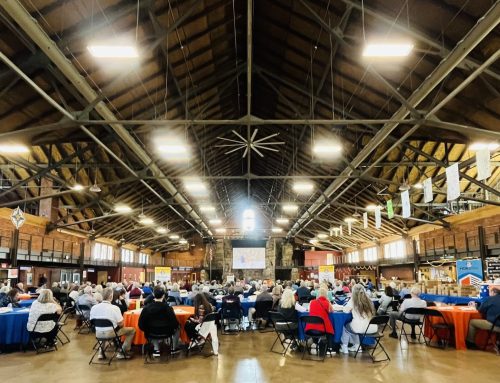
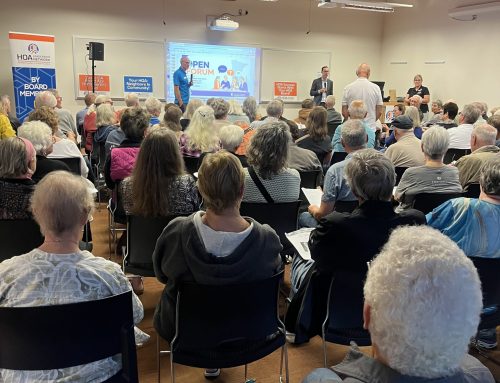
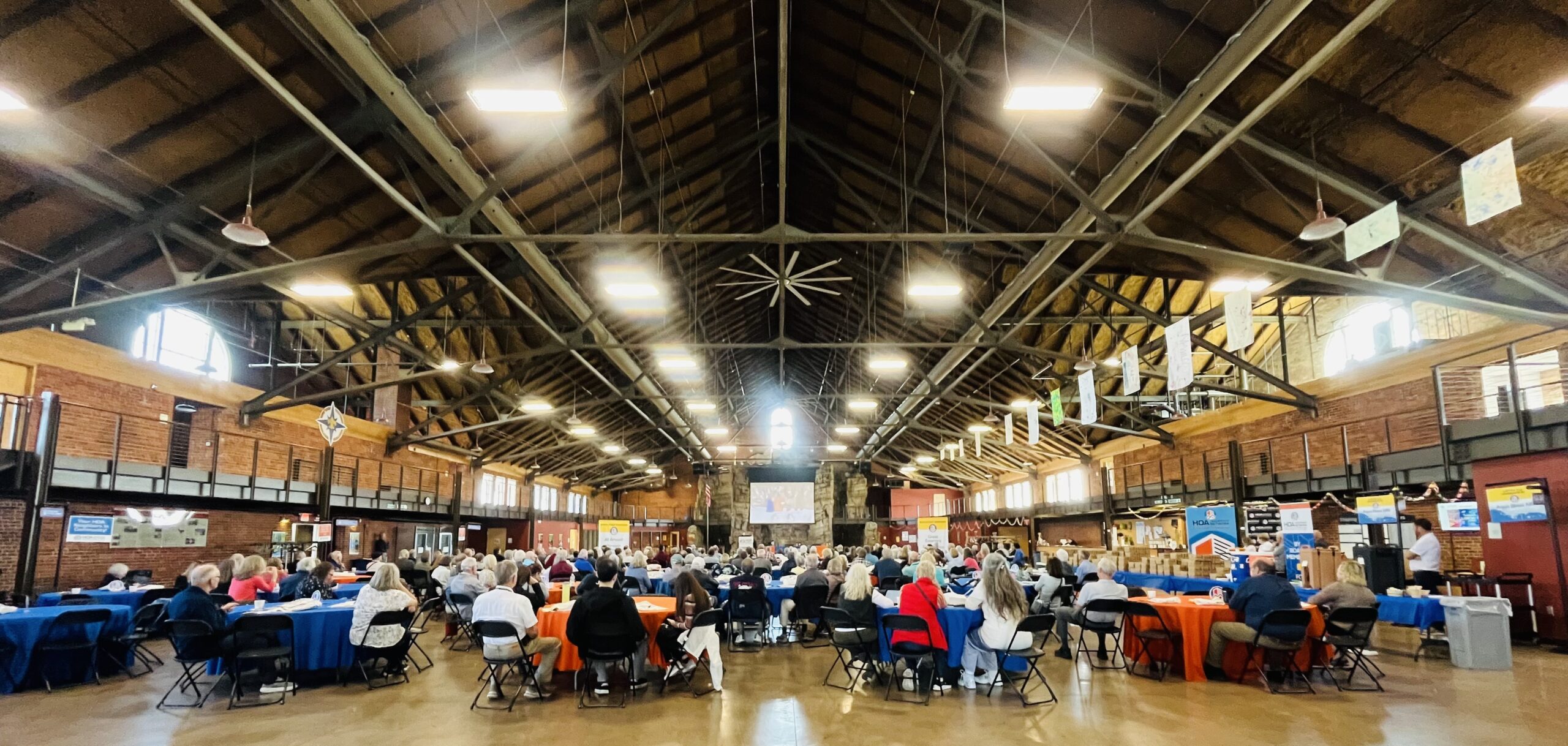
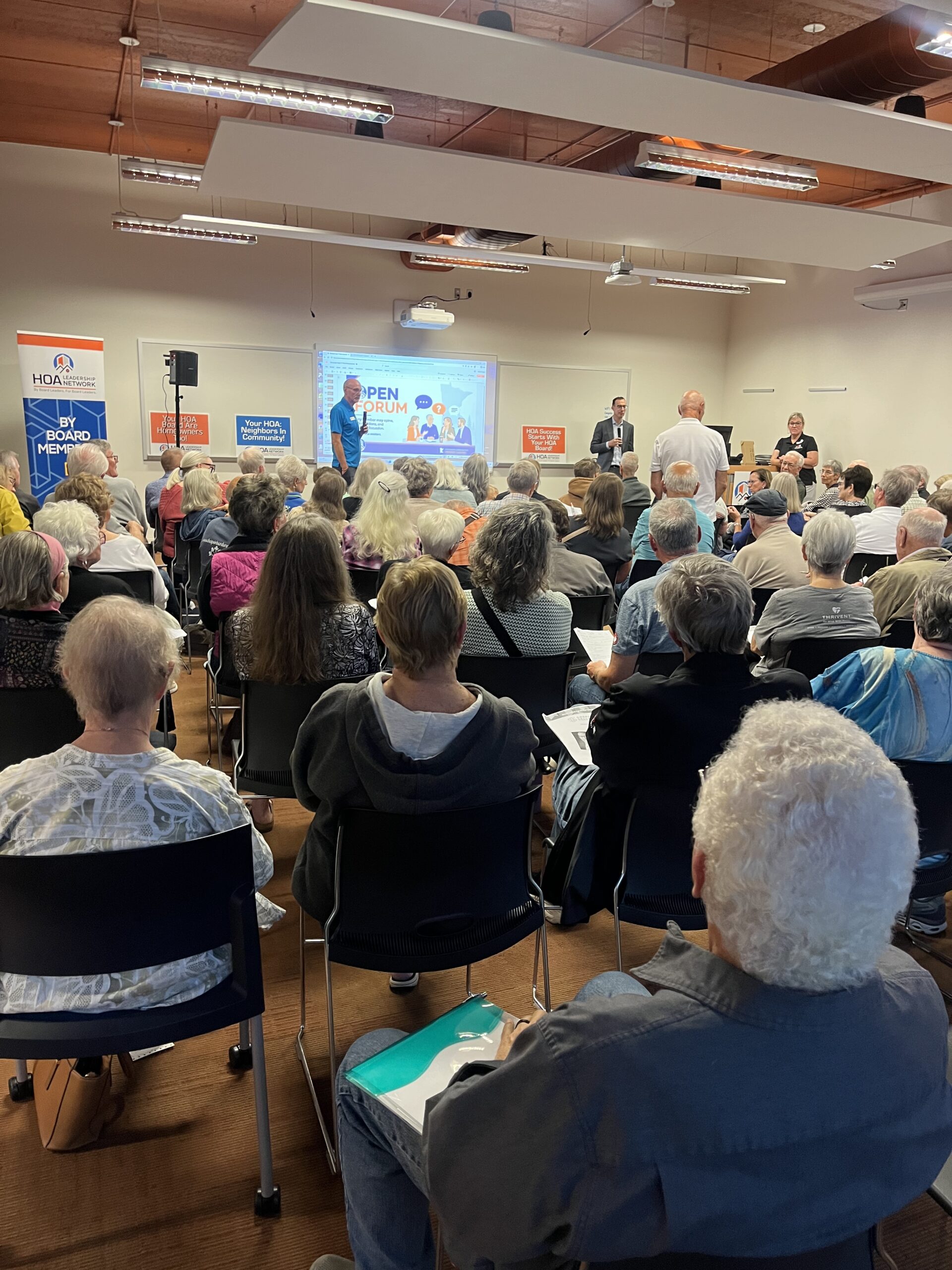
HOA-related learning can continue throughout a director’s term. Boards may discuss relevant topics during regular meetings, share useful articles and resources, attend educational events, or participate in discussions with other association leaders.
The HOA Leadership Network offers an opportunity for HOA leaders to explore relevant subjects, connect with peers, and access information from individuals with knowledge of HOA-related issues.
These opportunities can help directors stay informed, exchange perspectives, and learn more about the challenges faced by associations across Minnesota.
4. Stay Informed About Minnesota Requirements
General HOA information can provide a helpful foundation, but Minnesota associations also need to understand state-specific requirements and their own governing documents.
Boards can stay informed by reviewing legislative updates, consulting reliable educational resources, and seeking professional advice when questions arise. They should also consider whether changes in applicable requirements affect existing policies, procedures, or homeowner communications.
Minnesota’s 2026 HOA-related legislation includes provisions affecting aspects of common interest community operations. Directors should consult the enacted legislation and qualified legal professionals when determining how particular requirements apply to their association.
Staying informed is an ongoing responsibility rather than a task limited to an annual review.
5. Understand the Relationship Between Boards and Management Services
Board members benefit from understanding the distinction between governance responsibilities and day-to-day administration.
When an association engages management services, directors should understand how responsibilities are allocated, how performance is reviewed, who has authority to approve contracts, how financial activity is monitored, and how expectations are communicated.
Clear roles and documented procedures can help prevent misunderstandings and support consistent operations. The board retains its governance responsibilities while management services may assist with administrative processes, vendor coordination, homeowner communications, financial procedures, and other agreed-upon tasks.
A shared understanding of these responsibilities can help boards make better use of available expertise while maintaining appropriate oversight.
6. Review Educational Priorities Periodically
Associations can periodically revisit the topics that matter most to their boards. Directors may discuss whether they need additional information about financial planning, governance, maintenance, insurance, communications, or changing legal requirements.
Feedback from these discussions can help the association identify useful resources and determine which subjects deserve further attention.
Educational priorities may change as board membership changes, new projects arise, governing documents are updated, or relevant laws evolve. Reviewing these priorities periodically helps keep learning relevant to the association’s circumstances.
Supporting Stronger Minnesota HOA Leadership Through Education
Ongoing HOA education helps board members develop their understanding of governance, financial oversight, community maintenance, communication, and regulatory responsibilities. Rather than relying solely on individual experience, associations can encourage directors to explore relevant information, exchange ideas, and seek professional guidance when needed.
The HOA Leadership Network provides educational resources for HOA leaders, with topics that include governance, collaboration, research, legislation, property management, insurance, and reserve studies.
Whether an association has newly appointed directors or experienced board members looking to stay informed, access to relevant educational resources can support more confident decision-making and responsible community leadership.
Clear policies, thoughtful financial planning, and well-defined administrative responsibilities can complement ongoing education and help associations manage their day-to-day operations effectively.
FAQs
Why is HOA board education important in Minnesota?
HOA board education helps directors better understand governance, fiduciary responsibilities, financial management, homeowner communication, and Minnesota-specific requirements. It also helps them identify issues that may require further research or professional guidance.
What topics should Minnesota HOA board education cover?
Relevant topics include governing documents, board responsibilities, financial management, reserve planning, maintenance, insurance, meeting procedures, homeowner communication, conflict resolution, and applicable legal requirements.
How often should HOA board members pursue educational opportunities?
The frequency depends on the association’s needs and the experience of its directors. New board members may benefit from an orientation when they join, while all directors can benefit from periodically reviewing important subjects and staying informed about significant legal or policy changes.
Can management services contribute to HOA board education?
Management professionals may share relevant information about association administration, financial processes, vendor coordination, communications, and operational responsibilities. The nature of that support depends on the services provided and the association’s arrangements.
Where can Minnesota HOA leaders find educational resources?
The HOA Leadership Network provides educational resources, opportunities for collaboration, and information about topics affecting homeowners associations, including governance, legislation, insurance, property management, and reserve planning.