July 18, 2026 | Mark Luis Foster
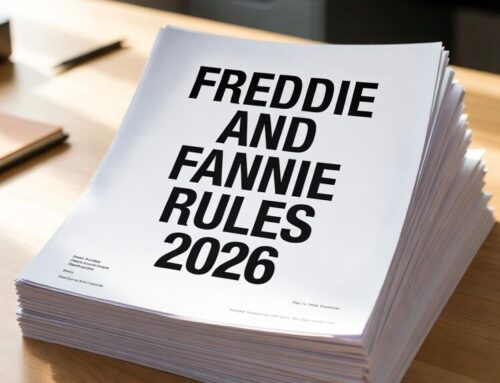
It’s been a while since we wrote about the new Fannie Mae requirements that affect some townhome and condo associations in Minnesota, so I thought I’d bring it back to our blog so you can share this information with your boards.
Their updated insurance and condominium project standards may have a significant effect on Minnesota condominium and townhome associations—even though the standards are not state laws. Because Fannie Mae purchases a large share of residential mortgages, its requirements can determine whether buyers are able to obtain conventional financing within an HOA community.
The updated standards continue Fannie Mae’s increased focus on the financial stability, physical condition and insurance coverage of condominium and attached housing projects. Lenders may ask associations to provide detailed information regarding master insurance policies, deductibles, replacement-cost coverage, deferred maintenance, structural concerns, reserve funding and pending special assessments.
For Minnesota HOA boards, the practical message is clear: decisions involving insurance, maintenance and reserves can directly affect the ability of owners to sell or refinance their homes.
Insurance has become a particularly challenging issue. As we all know (and have discussed at various monthly chapter meetings), Minnesota associations have experienced rising premiums, higher deductibles and fewer coverage options. However, selecting a less expensive policy that does not satisfy secondary mortgage-market requirements may create financing problems for individual homeowners. A buyer’s loan could be delayed or denied if the association’s master policy contains unacceptable coverage limitations, valuation methods or deductibles.
Boards should work closely with an experienced community-association insurance agent to review whether the association’s policy meets both Minnesota legal requirements and current lending standards. The board should also understand that compliance with state law does not automatically guarantee compliance with Fannie Mae’s underwriting rules.
Physical maintenance is equally important. Associations with unresolved structural problems, significant water intrusion, unsafe conditions or substantial deferred maintenance may face greater scrutiny. Boards should document inspections, promptly address safety concerns and create realistic plans for repairing major common elements.
Reserve funding also plays an important role. An association that repeatedly postpones projects or relies heavily on emergency special assessments may appear financially unstable. Minnesota boards should maintain an updated reserve study, contribute appropriately to reserves and document their long-term maintenance planning.
Finally, associations must be prepared to respond quickly and accurately to lender questionnaires. Governing documents, budgets, insurance certificates, reserve information, inspection reports and meeting records should be organized and readily available.
Fannie Mae’s standards are ultimately about risk mitigation. For HOA boards, proactive maintenance, adequate insurance, responsible reserve funding and accurate record-keeping are no longer simply good governance practices. They are increasingly connected to property values, mortgage availability and the marketability of every home in the community.
We recommend that boards brush up on this issue, especially those properties with considerable Fannie Mae lending activity. Read more from SJJ Law’s blog on this subject HERE.