Serving on a homeowners association (HOA) board is an important responsibility. Board members help make decisions that affect community finances, property maintenance, homeowner relations, and long-term neighborhood planning. Understanding governing documents, fiduciary duties, budgeting, and compliance requirements can help even well-intentioned volunteers approach these responsibilities with greater confidence.
For HOA board members in New Brighton, Minnesota, access to reliable educational resources and opportunities to learn from other community leaders can support effective association leadership. HOA Leadership Network provides education, collaboration, and research opportunities for HOA leaders, including through its New Brighton chapter.
What Is HOA Board Education?
HOA board education helps directors develop a better understanding of their responsibilities and make informed decisions on behalf of homeowners. Educational resources may address HOA governance, fiduciary responsibilities, financial management, homeowner rights, meetings, recordkeeping, maintenance, insurance, and community relations.
For new directors, access to relevant information can be particularly valuable because HOA leadership often involves responsibilities that are unfamiliar to first-time volunteers.
Introductory educational resources, for example, may explore Minnesota HOA laws, governing documents, board authority, fiduciary duties, association management, homeowner obligations, meetings, financial records, reserves, insurance, and community living.
Why Is Board Education Important for New Brighton HOAs?
HOA board members make decisions that can have lasting financial and operational consequences. Understanding an association’s governing documents and applicable Minnesota requirements can help directors evaluate their options and make more informed decisions.
Education can also encourage better communication among directors, homeowners, vendors, and association management professionals. By accessing reliable information and exchanging perspectives with other HOA leaders, board members can develop a more consistent approach to addressing common community issues.
The following table highlights several key educational areas for HOA leaders and explains why each matters.
| HOA Education Area | Why It Matters |
| Governance | Helps directors understand board authority, governing documents, and decision-making procedures. |
| Financial Management | Supports responsible budgeting, assessment planning, and financial oversight. |
| Maintenance and Reserves | Helps communities plan for repairs, replacements, and long-term capital needs. |
| Insurance | Builds awareness of association coverage, homeowner policies, and insurance considerations. |
| Legal Requirements and Compliance | Helps boards recognize applicable laws and governing requirements. |
| Communication | Encourages productive relationships with homeowners, vendors, and management professionals. |
What Should HOA Board Members Learn?
Effective HOA board education goes beyond basic meeting procedures. Directors benefit from understanding the different responsibilities involved in managing an association and maintaining a community.
HOA Governing Documents
The declaration, bylaws, articles of incorporation, rules, and other governing documents establish the framework for association operations. Directors should understand how these documents affect assessments, architectural standards, elections, enforcement procedures, and homeowner responsibilities.
Reviewing these documents can help board members recognize the limits of their authority and make decisions consistent with the association’s governing requirements.
Fiduciary Duties and Board Authority
HOA board members have responsibilities to act in accordance with their legal obligations and the best interests of the association. Familiarity with fiduciary duties, conflicts of interest, responsible decision-making, and the limits of board authority can help directors approach their roles thoughtfully.
When questions involve complex legal issues, boards should seek guidance from qualified professionals.
HOA Financial Management
Financial oversight is one of the most important responsibilities of an HOA board. Directors should understand annual budgets, assessments, collections, financial statements, reserve planning, contracts, and expenditures.
A well-informed board can work more effectively with accountants, attorneys, contractors, community managers, and other association service providers. Understanding basic financial concepts also helps directors ask relevant questions and evaluate recommendations before making decisions.
Meetings, Elections, and Records
Proper meetings and accurate records support transparency and accountability. Board members benefit from understanding meeting procedures, elections, minutes, document retention, homeowner communications, and other administrative responsibilities.
Familiarity with applicable requirements can help associations maintain organized records and communicate decisions clearly to homeowners.
Maintenance, Reserves, and Insurance
HOA directors frequently make decisions involving roofs, siding, landscaping, roads, recreational facilities, drainage systems, and other common elements. Understanding preventive maintenance and reserve planning can help communities prepare for future expenses and prioritize property needs.
Insurance is another important consideration. Boards should understand the general distinction between association coverage and individual homeowner policies, review relevant policy documents, and recognize when professional insurance advice may be necessary.
How Can Educational Resources Help New Board Members?
New directors do not need to become legal or financial experts. They do, however, benefit from having enough foundational knowledge to recognize important issues, ask informed questions, and determine when professional assistance is appropriate.
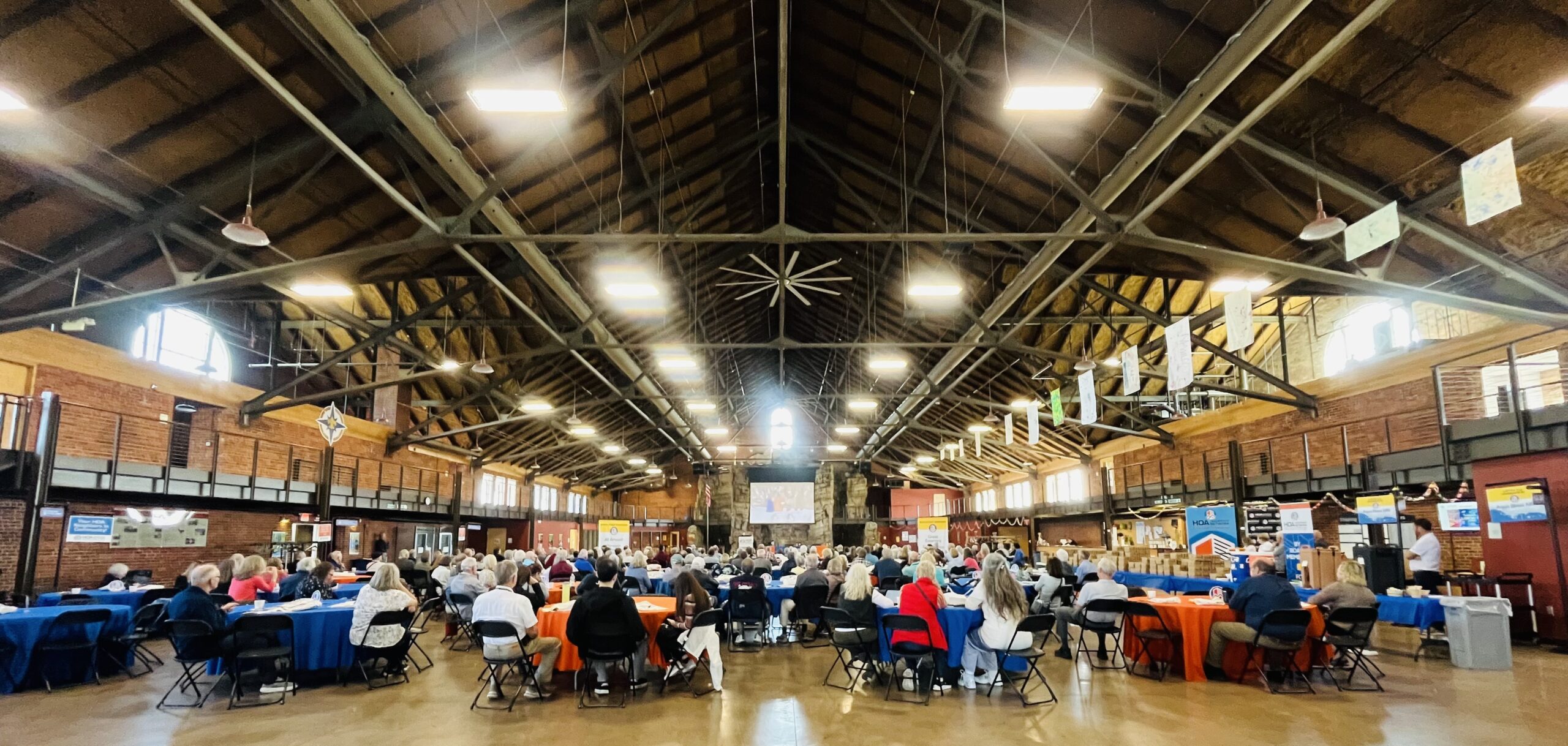
HOA Leadership Network emphasizes education and collaboration, giving HOA leaders opportunities to exchange ideas, learn from subject-matter experts, and connect with fellow board members. Its membership resources include educational meetings and information on topics such as legislation, insurance, reserve studies, property management, and maintenance.
Peer-based learning can be especially useful when a board encounters an unfamiliar situation. Conversations with other association leaders can offer practical perspectives, highlight different approaches, and help directors identify questions they may need to discuss with qualified professionals.
What Makes HOA Board Education Valuable?
Useful HOA educational resources combine foundational information with real-world examples. Topics are often most relevant when they relate directly to situations boards commonly encounter, such as disputed assessments, contractor selection, maintenance planning, homeowner complaints, insurance questions, and the interpretation of governing documents.
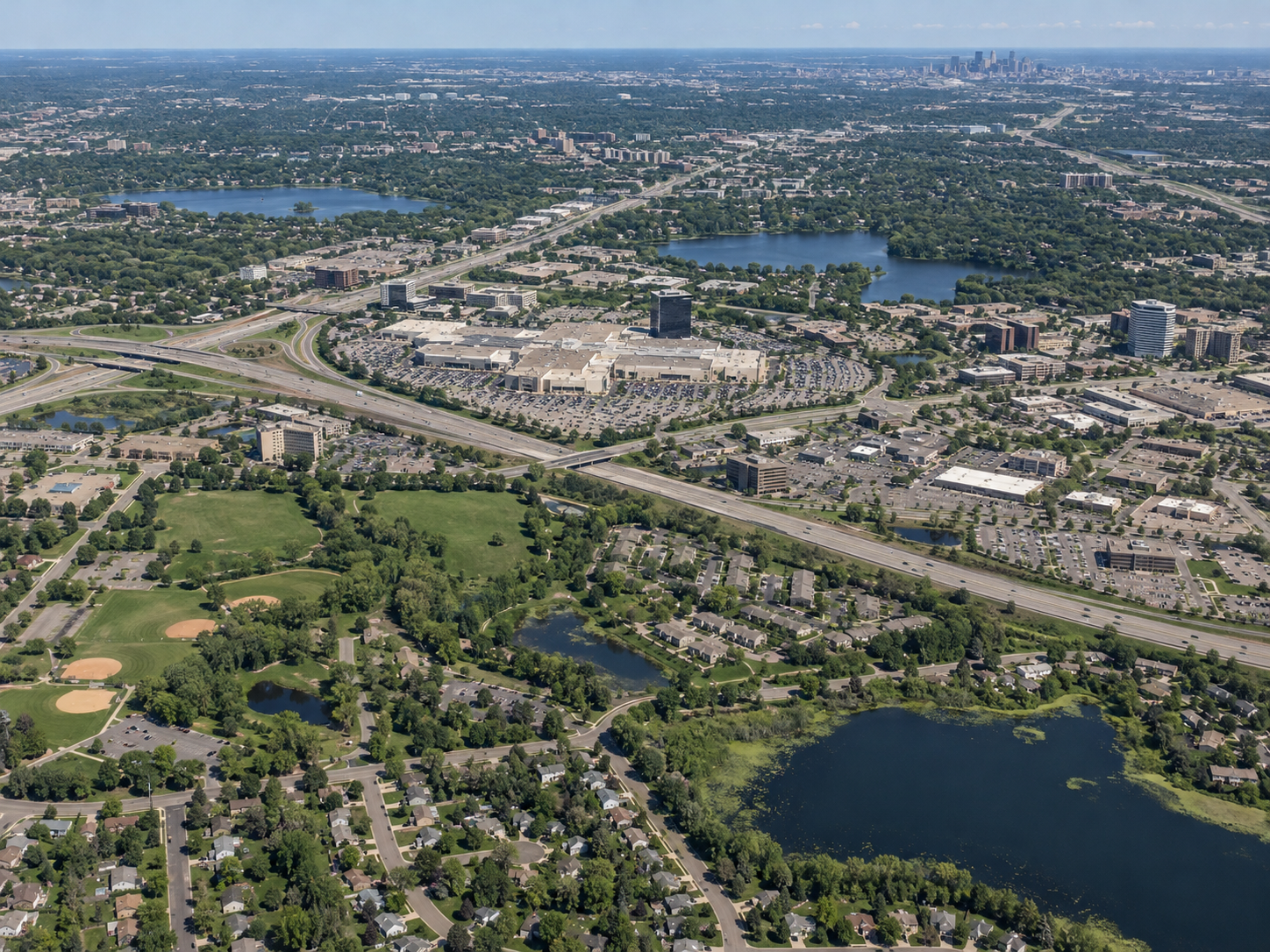
For New Brighton board members, locally relevant educational opportunities can also help make information more applicable to Minnesota communities. HOA Leadership Network’s local presence provides an opportunity for HOA leaders to connect with others who are interested in the responsibilities and challenges of community association leadership.
How Can Boards Continue Learning?
HOA education should be an ongoing part of effective board leadership. Laws, regulations, community expectations, insurance requirements, and recommended practices can change over time. Continuing to access reliable information helps directors stay informed and strengthen their understanding of association responsibilities.
Boards can support continued learning by reviewing governing documents, consulting qualified professionals, participating in educational events, networking with other HOA leaders, and exploring trustworthy resources.
HOA Leadership Network provides an environment focused on education, collaboration, and research for HOA leaders. These opportunities can help directors stay informed about relevant issues and exchange perspectives on association governance and community management.
What Should New Brighton Board Members Do Next?
Both new and experienced directors can benefit from reviewing their association’s governing documents, understanding their fiduciary responsibilities, learning the fundamentals of HOA financial management, and developing effective communication practices.
For communities seeking stronger leadership, access to HOA board education and reliable resources can support better governance. By building practical knowledge, learning from experienced professionals, and connecting with fellow directors, board members can make more informed decisions and help their associations operate effectively.
For additional educational resources, chapter information, and opportunities to connect with other HOA leaders, visit HOA Leadership Network. Its New Brighton chapter offers a local opportunity for HOA leaders to connect, exchange ideas, and stay informed about issues affecting Minnesota homeowner associations.
FAQs
What is HOA board education?
HOA board education helps directors better understand governance, fiduciary duties, financial management, governing documents, meetings, maintenance, legal requirements, and homeowner relations. It can include educational resources, informational meetings, professional insights, and opportunities to learn from fellow HOA leaders.
Why is HOA board education important in New Brighton, MN?
HOA board education helps New Brighton directors access information relevant to their responsibilities, make informed decisions, understand association finances, and recognize applicable Minnesota requirements.
What topics are relevant to HOA board education?
Common topics include HOA governance, budgeting, assessments, reserve planning, insurance, maintenance, board meetings, elections, records, conflict management, and legal compliance.
Can new HOA board members benefit from educational resources?
Yes. Educational resources help new directors build a foundation for understanding board responsibilities and working effectively with homeowners, vendors, attorneys, accountants, and association management professionals.
How can HOA Leadership Network help HOA board members?
HOA Leadership Network provides educational opportunities, networking, and resources designed to help HOA leaders expand their knowledge, exchange ideas, and strengthen their approach to association governance and community management.