 Managing a homeowners association (HOA) in Bloomington, MN, involves more than collecting dues and enforcing community rules. Association boards must oversee financial planning, property maintenance, insurance, reserve funding, vendor relationships, homeowner communication, and applicable Minnesota requirements.
Access to reliable educational resources can help board members understand their responsibilities, evaluate community needs, and make informed decisions. For Bloomington associations, ongoing education and collaboration are valuable tools for maintaining well-organized operations and supporting the long-term health of their communities.
The HOA Leadership Network is a Minnesota-focused resource for HOA board members, offering education, collaboration, and research on issues that affect homeowner associations.
Understanding HOA Management Services
HOA management encompasses the administrative, financial, operational, and community-related responsibilities involved in running a homeowners association. These responsibilities may include budgeting, accounting, maintenance coordination, vendor oversight, governance support, homeowner communication, reserve planning, and recordkeeping.
Depending on their size, budget, and governing structure, Bloomington associations may assign these responsibilities to professional service providers, manage them through volunteer board members, or use a combination of approaches.
Understanding the local HOA landscape can help boards assess their needs and plan accordingly. A city study reported that Bloomington has 5,681 housing units governed by HOAs, representing approximately 13.3% of the city’s taxable housing units.
The study also reported an average monthly HOA fee of approximately $520. Actual fees vary according to community amenities, property characteristics, maintenance obligations, and the services covered by association assessments.
Bloomington HOA General Statistics
| Metric | Approximate Figure |
| HOA-governed housing units | 5,681 |
| Share of taxable housing units | 13.3% |
| Average monthly HOA fee | $520 |
| Median year built for HOA properties | 1982 |
| Typical HOA property age range | 1970s–early 1990s |
Figures are based on the referenced city study and should be interpreted in the context of its methodology and reporting period.
Key Areas of HOA Administration for Bloomington Communities
Every association has different operational requirements. Understanding the following areas can help boards identify priorities, establish procedures, and plan for their communities’ long-term needs.
Financial Management and Budget Planning
Financial administration is central to effective HOA governance. Boards are responsible for developing annual budgets, maintaining accurate financial records, monitoring expenses, collecting assessments, and planning for future obligations.
Reserve planning is especially relevant for established Bloomington communities. With a reported median construction year of 1982 for HOA-governed properties, some associations may need to prepare for major repairs or replacements involving roofs, siding, pavement, mechanical systems, landscaping, and other common elements.
Regular financial reviews and realistic budgeting can help boards assess their current financial position, understand future liabilities, and communicate financial decisions to homeowners.
Property Maintenance and Vendor Oversight
Maintaining common areas and shared assets is an ongoing responsibility for HOA boards. Typical activities include landscaping, snow removal, irrigation, exterior repairs, inspections, cleaning, pavement maintenance, and seasonal property preparation.
Clear maintenance schedules, documented service expectations, and consistent contractor oversight can help associations track work, compare proposals, and monitor expenses.
Minnesota’s seasonal weather makes maintenance planning particularly important.
Associations may need to account for snow and ice management, freeze-thaw cycles, drainage concerns, and weather-related wear when establishing annual maintenance priorities.
HOA Governance and Board Education
HOA board members make decisions that affect association finances, property upkeep, community rules, and homeowner relationships. Understanding governing documents, meeting procedures, recordkeeping practices, board responsibilities, and applicable Minnesota requirements is therefore essential.
The HOA Leadership Network provides educational resources and opportunities to learn about topics such as HOA governance, financial management, insurance, reserve studies, property maintenance, legislation, and community operations.
Continuing education can help board members develop a clearer understanding of their responsibilities and identify questions that may require advice from qualified legal, financial, insurance, or other professionals.
Insurance and Risk Awareness
Insurance is an important consideration in association budgeting and risk management. Boards need to understand their association’s coverage, deductibles, exclusions, property risks, and policy renewal requirements.
Periodic reviews can help board members identify changes in coverage needs and prepare questions for their insurance professionals. Associations should also consider how insurance costs may affect future budgets and homeowner assessments.
The HOA Leadership Network has addressed insurance challenges affecting Minnesota associations, including rising costs and changes in coverage availability. Educational discussions on these subjects can help board members better understand the issues and prepare for policy reviews.
Reserve Studies and Long-Term Capital Planning
Reserve studies and capital planning help associations estimate the future costs of repairing or replacing major common assets. Rather than relying solely on current maintenance needs, boards can use long-term planning to establish priorities and evaluate future funding requirements.
Depending on the community, reserve planning may cover roofs, siding, pavement, shared mechanical systems, recreational facilities, and other common elements.
Reviewing reserve assumptions regularly can help boards evaluate funding strategies, plan for significant expenditures, and explain anticipated financial needs to homeowners.
Homeowner Communication and Community Engagement
Clear communication helps homeowners understand association decisions, maintenance schedules, assessment changes, and community policies. Timely notices, accessible records, consistent updates, and organized meeting procedures can reduce misunderstandings and support constructive participation.
Boards can establish communication practices that explain the reasons behind decisions, identify upcoming projects, and provide residents with appropriate opportunities to raise questions.
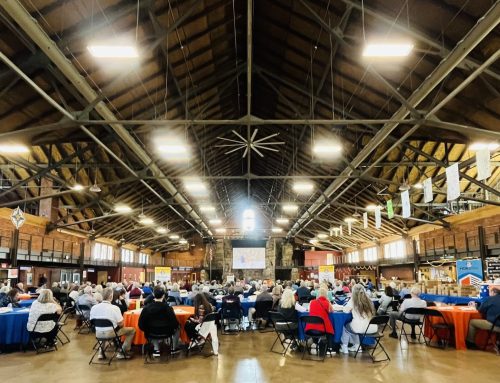
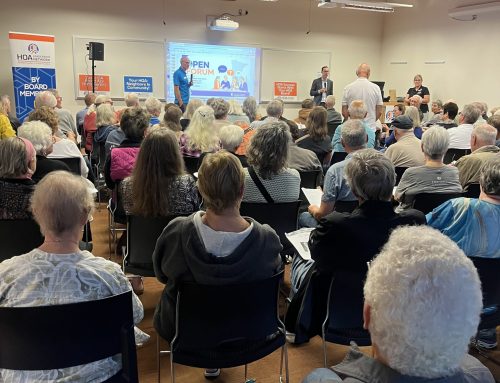
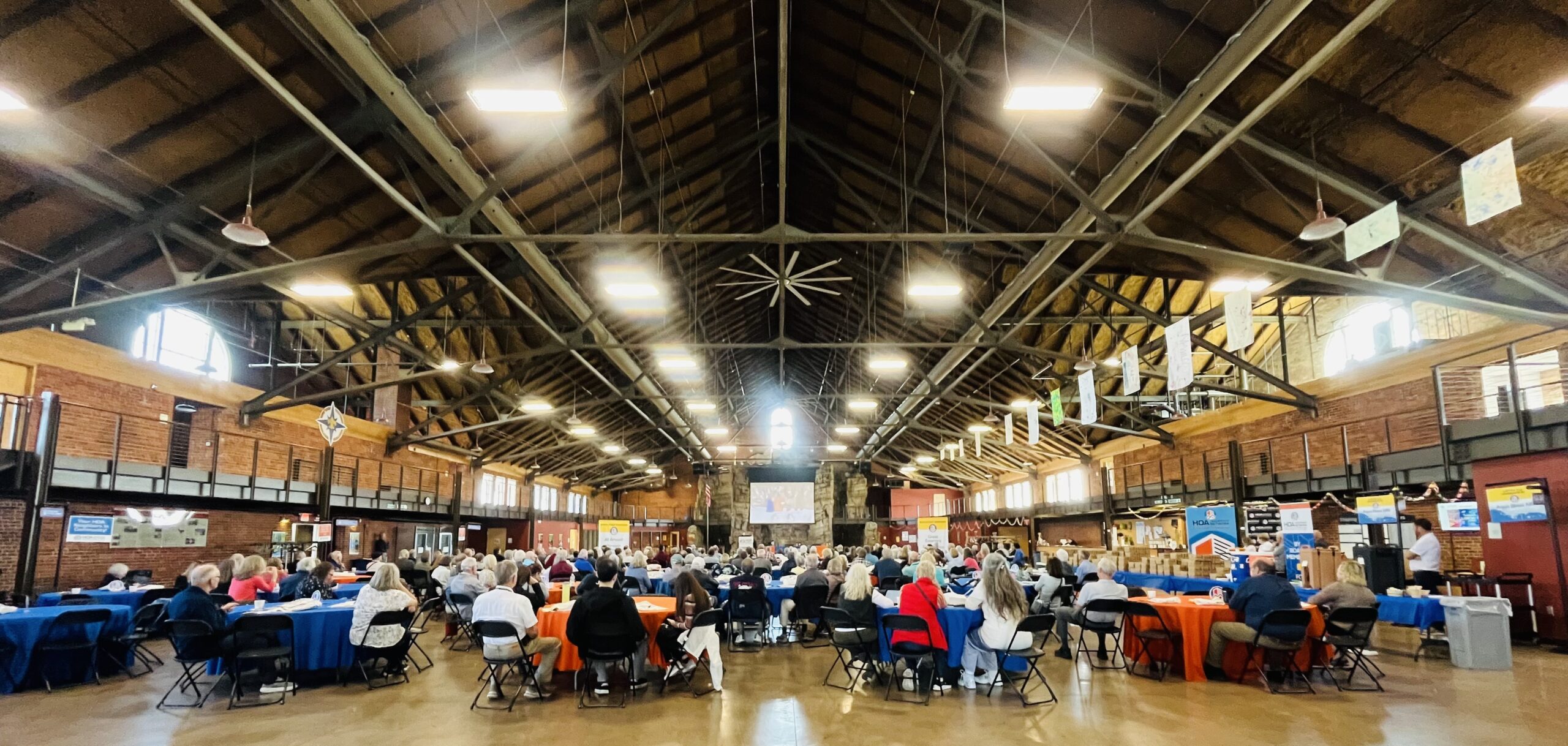
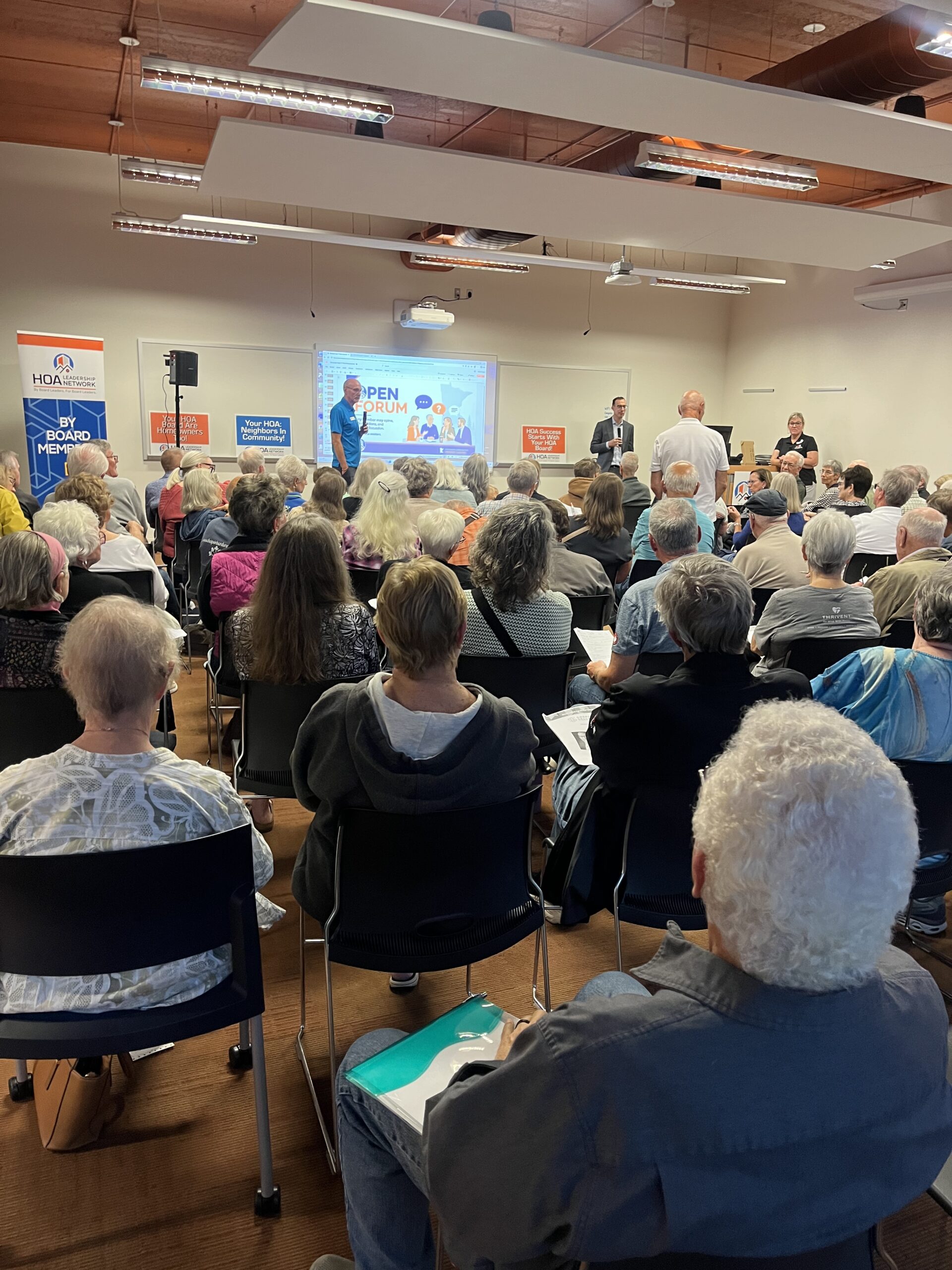
The HOA Leadership Network also encourages collaboration among association leaders, allowing board members to exchange knowledge and learn from the experiences of other communities.
How Can Bloomington HOA Boards Evaluate Their Needs?
There is no single administrative approach that suits every homeowners association. Boards can begin by reviewing their community’s circumstances and identifying areas where additional knowledge, resources, or assistance may be useful.
Consider the following factors:
- Community size and structure: The number of units, shared amenities, and common-area responsibilities.
- Financial condition: Current operating funds, assessment income, outstanding obligations, and reserve balances.
- Maintenance requirements: The condition of shared assets and the schedule for routine and major repairs.
- Governance responsibilities: Board workload, meeting procedures, recordkeeping, and familiarity with governing documents.
- Communication needs: The systems used to notify homeowners, distribute records, and respond to questions.
- Specialized knowledge: Areas where the board may need additional education or guidance from qualified professionals.
After reviewing these factors, boards can determine which responsibilities can be managed internally and where outside assistance or specialized expertise may be appropriate.
For Minnesota-specific educational information, the HOA Leadership Network provides resources for association leaders. Its Bloomington/Eden Prairie chapter offers a local connection, while its broader network addresses statewide HOA topics through education, collaboration, and research.
Why Local Knowledge and Continuing Education Matter
HOA administration involves interconnected responsibilities. Budget decisions can affect maintenance schedules, insurance costs can influence assessments, and reserve planning can shape the timing of capital projects.
Understanding these relationships helps boards consider the broader implications of their decisions rather than addressing each issue in isolation.
Local context also matters. Bloomington associations may face challenges associated with aging properties, Minnesota weather, insurance considerations, changing maintenance costs, and applicable state requirements.
The HOA Leadership Network conducts research on Minnesota homeowners associations and maintains parcel-level data for associations in the seven-county metropolitan area. These resources can help leaders explore local HOA trends and develop a better understanding of issues affecting their communities.
Supporting Stronger HOA Communities in Minnesota
Effective HOA administration depends on informed decision-making, responsible financial practices, consistent property maintenance, transparent communication, and thoughtful long-term planning.
For Bloomington communities, understanding these responsibilities is particularly important given the city’s substantial HOA presence and the maintenance needs that can arise as properties age.
Board members can strengthen their governance practices by reviewing association finances, documenting maintenance priorities, keeping homeowners informed, and pursuing relevant educational opportunities. Access to reliable research and peer collaboration can also help boards identify challenges and consider practical approaches to community management.
The HOA Leadership Network serves as an educational and research resource for Minnesota HOA leaders, with information and opportunities for collaboration on governance, insurance, finances, property maintenance, reserve planning, and other association-related issues.
Frequently Asked Questions
What do HOA management services involve in Bloomington, MN?
HOA management involves the administrative, financial, and operational responsibilities of a homeowners association. These may include budgeting, accounting, property maintenance, vendor oversight, homeowner communication, governance, insurance coordination, and reserve planning.
What should Bloomington HOA boards consider when reviewing their management needs?
Boards should assess their community’s financial condition, property maintenance requirements, reserve funding, communication practices, governance responsibilities, and need for specialized expertise. The appropriate approach depends on the association’s size, structure, resources, and priorities.
Why is reserve planning important for Bloomington HOAs?
Reserve planning helps associations anticipate the costs of major repairs and replacements. It can support more informed decisions about funding, project timing, and future assessments for items such as roofs, pavement, siding, and shared facilities.
How can HOA boards improve communication with homeowners?
Boards can establish consistent communication procedures, provide timely notices, maintain accessible records, explain important decisions, and give homeowners appropriate opportunities to ask questions or participate in association matters.
What is the HOA Leadership Network?
The HOA Leadership Network is a Minnesota-focused resource for HOA leaders. It offers educational opportunities, collaboration, and research covering topics such as governance, financial management, insurance, property maintenance, legislation, and reserve planning.
Where can Bloomington HOA board members find educational resources?
Board members can explore Minnesota-focused HOA education, research, local chapter activities, and opportunities to exchange knowledge with other association leaders through the HOA Leadership Network. They can also consult relevant state resources and qualified professionals when addressing legal, financial, insurance, or technical questions.